Pulsed Electromagnetic Treatment: The Complete Evidence-Based Guide to PEMF Therapy

If you're dealing with chronic pain, recovering from an injury, or looking for non-invasive ways to support your body's healing, you've probably heard about PEMF therapy. But what exactly is it, and could it help you?
In this comprehensive guide, we'll break down everything you need to know about pulsed electromagnetic field therapy—from how it works at the cellular level to what you can expect during treatment. Whether you're considering PEMF for the first time or looking to deepen your understanding, this article will give you the clarity you need.
What Is PEMF Therapy?
Pulsed Electromagnetic Field (PEMF) therapy is a non-invasive treatment that uses electromagnetic energy to help your body heal faster and more effectively. Think of it as giving your cells a gentle "recharge" to help them function at their best.
The technology isn't new—in fact, the FDA first approved PEMF devices for medical use back in 1979, specifically for bone healing. Since then, it's been cleared for various other applications, including reducing swelling, relieving pain, and supporting tissue repair.
A Brief History
The idea that electricity could help heal bones dates back to 1841, but it wasn't until the 1950s that scientists began studying it seriously. In the 1970s, Dr. Andrew Bassett and his team at Columbia University pioneered modern PEMF therapy, developing techniques to treat fractures that wouldn't heal with traditional methods.
Interestingly, veterinarians were among the first to use PEMF therapy clinically, often treating broken legs in racehorses. Their success with animal patients paved the way for human applications.
How Does PEMF Therapy Work?
To understand PEMF, it helps to know a bit about your cells. Every cell in your body has an electrical charge—it's essential for cellular communication and function. When cells are damaged, stressed, or aging, this charge can become depleted, making it harder for your body to heal and maintain itself.
The Cellular Mechanism
PEMF therapy works by sending gentle electromagnetic pulses into your body's tissues. Here's what happens:
1. Cell Activation The electromagnetic pulses open tiny channels in your cell membranes, allowing calcium ions to flow into the cells. These calcium ions act like messengers, telling your cells to start their repair processes. This activation stimulates cell metabolism, growth, and your body's natural inflammatory response.
2. Improved Blood Flow The therapy helps your body produce nitric oxide, a molecule that relaxes blood vessels. This improves circulation, which means more oxygen and nutrients reach damaged tissues while waste products are carried away more efficiently.
3. Energy Production PEMF helps your cells create more ATP (adenosine triphosphate)—essentially the energy currency of your cells. With more energy available, your cells can work harder on repair and maintenance tasks.
4. Inflammation Modulation The electromagnetic fields influence cellular signaling pathways, helping to reduce the production of inflammatory molecules like prostaglandins and cytokines. This can lead to less pain and swelling.
The Technology Behind It
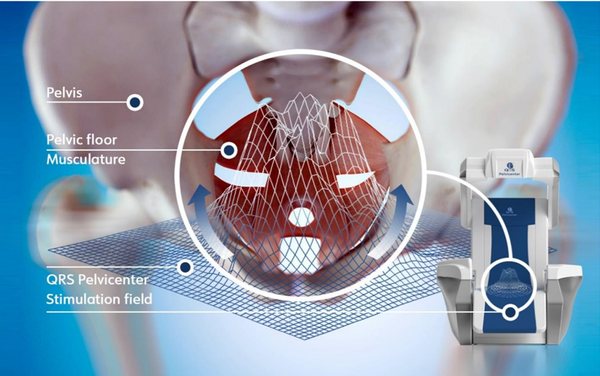
Modern PEMF devices come in various forms, but they all work on the same principle. Most devices use coils (called solenoids) or specialized circuits to generate the electromagnetic field. These fields are pulsed—turned on and off in specific patterns—rather than continuous.
The key parameters that vary between devices include:
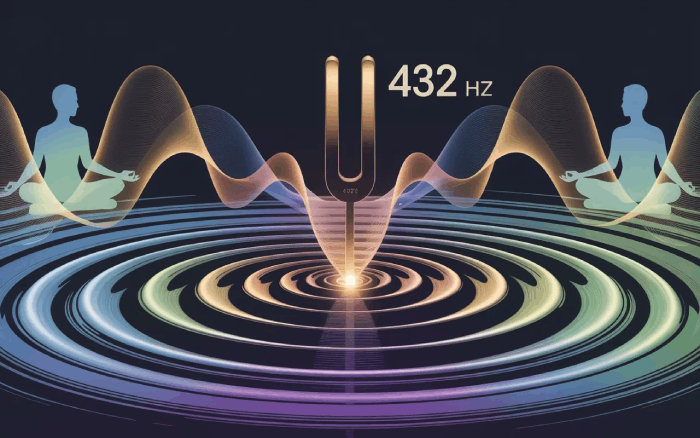
- Frequency: Measured in Hertz (Hz), typically ranging from very low (under 3 Hz) to higher frequencies (up to 900 MHz in some devices)
- Intensity: Measured in Gauss or Tesla, indicating the strength of the magnetic field
- Waveform: The shape of the pulse (rectangular, sinusoidal, or triangular)
- Duration: How long the treatment lasts
Different combinations of these parameters may be more effective for different conditions, which is why professional guidance is often helpful.
What Conditions Can PEMF Therapy Help?
PEMF therapy has been studied for a wide range of health conditions. While results can vary from person to person, research and clinical experience suggest it may help with:
Pain and Musculoskeletal Conditions
Osteoarthritis: Multiple studies have found that PEMF can reduce pain and stiffness in people with arthritis, particularly knee osteoarthritis. Patients often report improved mobility and reduced reliance on pain medications.
Chronic Pain: Whether it's from fibromyalgia, chronic back pain, or other sources, PEMF has shown promise in reducing persistent pain by calming nerve activity and reducing inflammation.
Acute Injuries: Sprains, strains, and other soft tissue injuries may heal faster with PEMF therapy, as it supports the body's natural repair processes.
Bone Health
Fractures: PEMF is FDA-approved for treating non-union fractures—bones that haven't healed properly on their own. It's also used to support healing after bone surgery.
Osteoporosis: Some research suggests PEMF may help improve bone density by stimulating osteoblast activity (cells that build bone).
Post-Surgical Recovery: After spinal fusion or joint replacement surgery, PEMF can support faster healing and reduced complications.
Wound Healing
PEMF therapy has shown benefits for:
- Pressure ulcers (bedsores), particularly Stage II and III
- Diabetic ulcers
- Surgical wounds
- Venous stasis ulcers
The therapy appears to accelerate tissue regeneration and improve circulation to the affected areas.
Nerve-Related Issues
Peripheral Neuropathy: People with nerve damage—whether from diabetes, chemotherapy, or other causes—may experience reduced numbness, tingling, and pain with PEMF therapy.
Nerve Regeneration: Recent research suggests PEMF may support nerve repair by increasing nerve growth factor (NGF) and promoting myelination (the protective coating around nerves).
Mental Health
Depression: Transcranial PEMF therapy has emerged as a potential treatment for depression, particularly for people who haven't responded well to traditional medications. Studies have shown promising results, though this application is still being researched.
Sleep Disorders: Many patients report improved sleep quality when using PEMF, possibly due to its effects on neurotransmitters and its ability to reduce pain that interferes with sleep.
Athletic Performance and Recovery
Athletes increasingly use PEMF for:
- Faster recovery after intense training
- Enhanced muscle function
- Injury prevention
- Reduced inflammation and soreness
What to Expect During PEMF Treatment
If you're considering PEMF therapy, here's what the experience typically looks like:
Professional Treatment
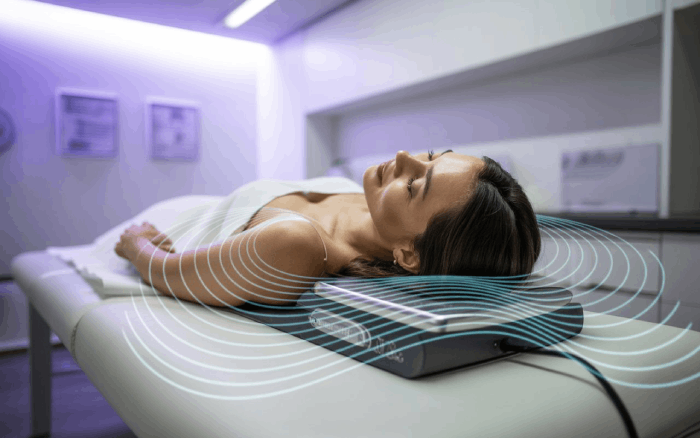
The Setting: PEMF therapy can be administered in a medical office, physical therapy clinic, or wellness center. The environment is typically quiet and relaxing.
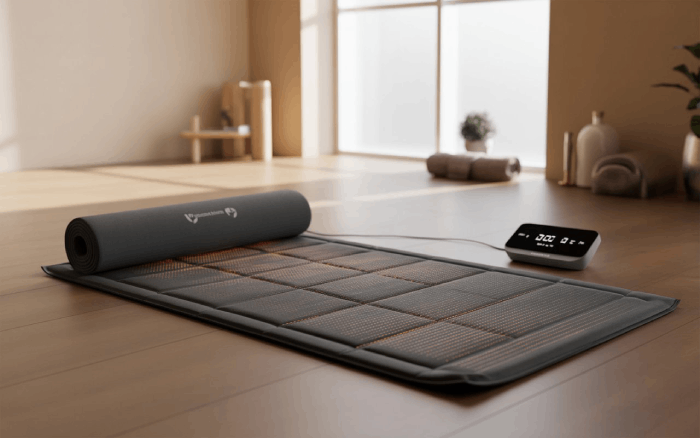
The Session: You'll usually lie down or sit comfortably while the device is positioned near the treatment area. Most clinical devices resemble large padded mats or have applicators that can be placed on specific body parts.
Duration: Sessions typically last 15 to 30 minutes, though some protocols call for longer sessions.
Sensation: Most people don't feel much during treatment—maybe a slight warmth or tingling sensation. It shouldn't be painful.
Frequency: Treatment schedules vary based on your condition:
- Acute injuries: Daily sessions for 1-2 weeks
- Chronic conditions: 2-3 times per week for several weeks
- Maintenance: Once or twice weekly after initial improvement
Home Treatment
Many people use PEMF devices at home. Consumer devices are typically:
- Mat-style applicators (resembling yoga mats)
- Portable units with localized applicators
- Wearable devices
Home treatment protocols are generally longer—often 3-4 hours per day for 45-90 consecutive days for chronic conditions. The lower intensity of consumer devices compared to clinical equipment accounts for the longer treatment times.
Timeline for Results
One of the most common questions is: "How long until I see results?"
The answer varies:
- Acute pain or inflammation: Some people notice improvement after just a few sessions
- Chronic conditions: Significant benefits typically appear after 2-4 weeks of consistent treatment
- Bone healing: Several weeks to months
- Optimal results: Usually achieved after 1-3 months of regular use
Keep in mind that everyone's body responds differently. Factors like the severity of your condition, your overall health, and treatment consistency all play a role.
Is PEMF Therapy Safe?
PEMF therapy is generally considered very safe when used appropriately. It's non-invasive, doesn't involve medications or surgery, and has minimal side effects for most people.
Potential Side Effects
When side effects do occur, they're usually mild and temporary:
- Slight tingling sensation during treatment
- Mild warmth at the treatment site
- Temporary fatigue (as the body redirects energy to healing)
- Rare: mild headache or dizziness
Who Should Avoid PEMF Therapy
PEMF isn't suitable for everyone. You should avoid this treatment if you:
Have Electronic Implants: People with pacemakers, implantable cardioverter defibrillators (ICDs), or other electronic medical devices should not use PEMF, as the electromagnetic fields can interfere with these devices.
Are Pregnant: While there's no clear evidence of harm, PEMF therapy isn't recommended during pregnancy as a precautionary measure.
Have Certain Medical Conditions:
- Active bleeding disorders
- Acute infections or fever
- Active tuberculosis
- Certain seizure disorders
- Hyperthyroidism or adrenal gland issues
Are Undergoing Certain Treatments: If you're currently receiving cancer treatment, consult with your oncologist before using PEMF. While some research suggests it may be beneficial, this should be discussed with your medical team.
Safety Guidelines
To use PEMF therapy safely:
- Consult your doctor before starting treatment, especially if you have any medical conditions
- Follow manufacturer instructions carefully
- Don't exceed recommended session times or intensities
- Stay hydrated before and after treatment
- Report any unusual symptoms to your healthcare provider
Choosing the Right PEMF Approach
If you decide to try PEMF therapy, you'll need to decide between professional treatment and home devices.
Professional Treatment
Advantages:
- Access to more powerful, clinical-grade equipment
- Personalized treatment plans
- Professional monitoring and adjustment
- Integration with other therapies (physical therapy, acupuncture, etc.)
- Immediate access to expert guidance
Disadvantages:
- More expensive per session
- Requires travel to appointments
- Less convenient for long-term use
Best for: Acute conditions, severe chronic conditions, or when you want professional oversight and faster results.
Home Devices
Advantages:
- Convenience of treatment at home
- Lower cost over time for chronic conditions
- Privacy and comfort
- Flexible scheduling
Disadvantages:
- Higher upfront cost (quality devices range from $500 to $5,000+)
- Less powerful than clinical devices
- Learning curve for proper use
- No professional monitoring
Best for: Long-term chronic conditions, maintenance after professional treatment, or when access to clinics is limited.
What to Look for in a Device
If you're considering a home device:
- Certifications: Look for FDA registration or CE marking (for European devices)
- Specifications: Check frequency range, intensity, and available programs
- Adjustability: Better devices let you customize settings
- Quality: Research the manufacturer's reputation
- Support: Good customer service and educational resources
- Warranty: Longer warranties suggest manufacturer confidence
Integrating PEMF with Other Treatments
PEMF therapy often works best as part of a comprehensive treatment plan. It can complement:
Physical Therapy
Use PEMF before physical therapy to reduce pain and improve mobility, making exercises more effective and comfortable.
Acupuncture
PEMF and acupuncture work through different mechanisms but both aim to restore balance and promote healing. Many practitioners combine them for enhanced results.
Massage Therapy
PEMF can relax muscles before massage, allowing therapists to work more deeply and effectively.
Exercise and Movement
After PEMF treatment, your body may be more receptive to gentle movement and exercise, helping maintain and build on improvements.
Nutrition and Supplements
Supporting your body with proper nutrition, hydration, and targeted supplements (like those supporting collagen production or reducing inflammation) may enhance PEMF results.
The Science: What Does the Research Say?
PEMF therapy has been the subject of hundreds of scientific studies, though results are sometimes mixed and more research is needed in many areas.
Strong Evidence For:
- Bone healing: Multiple studies support PEMF for fracture healing and bone fusion
- Osteoarthritis pain: Meta-analyses show significant pain reduction
- Wound healing: Good evidence for pressure ulcers and chronic wounds
Moderate Evidence For:
- Depression: Promising results from transcranial PEMF studies
- Chronic pain: Various studies show benefits, though protocols vary
- Post-operative healing: Some evidence of faster recovery
Limited Evidence/More Research Needed:
- Fibromyalgia: Some positive results, but more studies needed
- Sports performance: Mostly anecdotal reports
- General wellness claims: Insufficient rigorous research
It's important to approach PEMF with realistic expectations. While many people experience significant benefits, it's not a miracle cure, and results vary considerably from person to person.
Cost Considerations
Understanding the financial aspect of PEMF therapy can help you make an informed decision.
Professional Treatment Costs
- Per session: $50-$150
- Treatment package: $500-$2,000+ (depending on number of sessions)
- Insurance: Some conditions may be covered (see below)
Home Device Costs
- Basic portable devices: $300-$1,000
- Mid-range full-body mats: $1,500-$3,500
- High-end clinical-grade: $4,000-$8,000+
- Rental options: $100-$300/month
Insurance Coverage
PEMF therapy may be covered by insurance for specific FDA-approved uses, such as:
- Non-union fractures
- Failed bone fusions
- Certain post-operative applications
- Chronic Stage III and IV pressure ulcers (Medicare)
For other uses, PEMF is often considered "alternative" or "wellness" therapy and may not be covered. Check with your insurance provider and consider:
- Getting pre-authorization
- Asking your doctor for a letter of medical necessity
- Checking if your HSA or FSA can be used
Making the Most of PEMF Therapy
To get optimal results from PEMF treatment:
Be Consistent
Regular, consistent treatment is key. Don't expect overnight miracles—give the therapy time to work.
Track Your Progress
Keep a journal noting:
- Pain levels (use a 1-10 scale)
- Mobility improvements
- Sleep quality
- Energy levels
- Any changes in symptoms
Support Your Body
- Stay well hydrated
- Get adequate sleep
- Eat a nutritious, anti-inflammatory diet
- Manage stress
- Continue any prescribed exercises or therapies
Communicate
Whether working with a professional or using a home device, keep your healthcare team informed about your PEMF use and any changes in your condition.
Be Patient
Healing takes time. While some people see quick results, others need several weeks of consistent treatment to notice significant improvements.
The Bottom Line
Pulsed Electromagnetic Field (PEMF) therapy offers a non-invasive, drug-free approach to supporting your body's natural healing processes. With FDA approval for specific uses and a growing body of research supporting its benefits, PEMF has moved from alternative treatment to a recognized therapeutic option for various conditions.
Whether you're dealing with chronic pain, recovering from an injury, or looking to optimize your health and performance, PEMF therapy may be worth considering—especially as part of a comprehensive treatment plan tailored to your specific needs.
Key Takeaways
- PEMF therapy uses electromagnetic energy to stimulate cellular repair and healing
- It's FDA-approved for bone healing and cleared for other applications
- Treatment can be done professionally or at home with consumer devices
- Sessions typically last 15-30 minutes (clinical) or several hours (home devices)
- Results vary but often appear after 2-4 weeks of consistent use
- It's generally safe but contraindicated for people with pacemakers and certain conditions
- Best results come from combining PEMF with other healthy lifestyle practices
- Costs range from $50-150 per professional session or $300-8,000 for home devices
Next Steps
If you're interested in trying PEMF therapy:
- Consult your healthcare provider to discuss whether PEMF is appropriate for your condition
- Research local providers if you want professional treatment
- Read reviews and specifications if considering a home device
- Check with your insurance about potential coverage
- Set realistic expectations and commit to consistent treatment
- Track your progress to evaluate effectiveness
Remember, while PEMF therapy shows promise for many conditions, it's not right for everyone, and individual results vary. Work with qualified healthcare professionals to determine if it's a good fit for your health journey.
References and Sources
- Markov, M. S. (2007). Expanding Use of Pulsed Electromagnetic Field Therapies. Electromagnetic Biology and Medicine, 26(3), 257-274. https://pmc.ncbi.nlm.nih.gov/articles/PMC10379303/
- U.S. Food and Drug Administration. (1979-2020). Various approvals and clearances for PEMF devices. Retrieved from https://www.fda.gov/
- Bassett, C. A., Pawluk, R. J., & Pilla, A. A. (1974). Augmentation of Bone Repair by Inductively Coupled Electromagnetic Fields. Science, 184(4136), 575-577.
- Wikipedia Contributors. (2024). Pulsed electromagnetic field therapy. Wikipedia, The Free Encyclopedia. https://en.wikipedia.org/wiki/Pulsed_electromagnetic_field_therapy
- National Center for Biotechnology Information. (2023). Pulsed Electromagnetic Fields (PEMF)—Physiological Response and Its Potential in Trauma Treatment. PMC. https://pmc.ncbi.nlm.nih.gov/articles/PMC10379303/
- Long Island Spine Rehabilitation Medicine. (2025). How Pulsed Electromagnetic Fields Accelerate Healing. https://www.lispinemed.com/2025/08/06/how-pulsed-electromagnetic-fields-accelerate-healing/
- Joint Replacement Center of Scottsdale. (2024). What Is PEMF Therapy? 5 Things You Should Know. https://jointreplacementcenterscottsdale.com/blog/what-is-pemf-therapy/
- I-Tech Medical Division. (2023). PEMF therapy: what it is and how it works. https://itechmedicaldivision.com/en/pemf-therapy-technique/
- ScienceDirect. (2024). Pulsed Electromagnetic Field Therapy - an overview. https://www.sciencedirect.com/topics/medicine-and-dentistry/pulsed-electromagnetic-field-therapy
- Centers for Medicare & Medicaid Services. Coverage policies for electromagnetic stimulation. https://www.aetna.com/cpb/medical/data/100_199/0175.html
- MDPI. (2024). The Therapeutic Potential of Pulsed Electromagnetic Fields (PEMF) and Low-Intensity Pulsed Ultrasound (LIPUS) in Peripheral Nerve Regeneration. International Journal of Molecular Sciences. https://www.mdpi.com/1422-0067/26/19/9311
Disclaimer: This article is for informational purposes only and does not constitute medical advice. Always consult with a qualified healthcare provider before starting any new treatment, including PEMF therapy. Individual results may vary, and PEMF therapy may not be appropriate for everyone.
Last updated: January 2026