PEMF Therapy Benefits: A Complete Evidence-Based Guide to Treatment, Protocols, and Results


Understanding How Electromagnetic Fields Transform Healing at the Cellular Level
Pulsed Electromagnetic Field (PEMF) therapy has emerged as a powerful, non-invasive treatment modality that harnesses electromagnetic energy to accelerate healing, reduce pain, and optimize cellular function. While many sources discuss what PEMF therapy does, few explain how it works at the molecular level—and even fewer provide practical protocols for maximizing results.
This comprehensive guide bridges that gap, combining peer-reviewed research with clinical applications to help you understand not just the benefits of PEMF therapy, but the mechanisms driving those benefits and how to apply them effectively.
What Is PEMF Therapy? The Science Behind Electromagnetic Healing
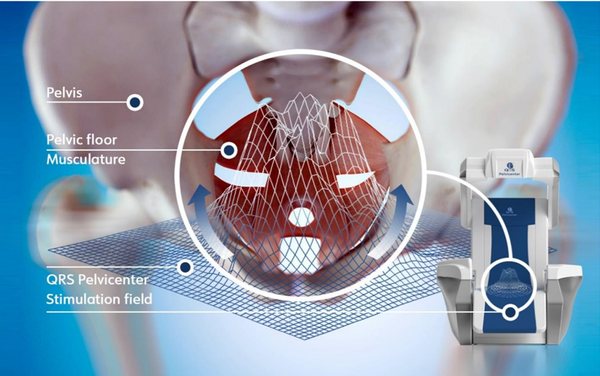
PEMF therapy involves devices that emit electromagnetic pulses to targeted areas of the body over specific time periods. These devices generate electromagnetic fields through electric currents flowing through copper or aluminum wire coils called solenoids, with the field's intensity and frequency carefully regulated by the device.[6]
The fundamental principle is straightforward: electromagnetic energy is already a natural power source in the human body, powering our brains, hearts, muscles, and even skin cells. When PEMF is used medically, pulsed energy is transmitted through the skin to muscles and bones, triggering individual cells to begin repairing themselves.[1]
The Cellular Mechanism: How Electromagnetic Fields Interact with Your Cells
PEMF therapy works by applying electromagnetic pulses to targeted parts of the body, which helps control cellular activity and facilitates healing by stimulating the cells.[5] At the molecular level, controlled, low-frequency electromagnetic fields can:
- Stimulate cell proliferation
- Alter cell membrane structure
- Modify cellular function
- Affect nucleic acids
- Trigger protein phosphorylation
- Increase the body's production of adenosine triphosphate (ATP), which greatly aids in muscle contraction, blood flow, and locomotion[1]
This ATP production increase is particularly significant. ATP is the energy currency of cells, and enhanced ATP production means cells have more energy available for repair, regeneration, and optimal function.
Understanding these cellular mechanisms helps explain the wide range of clinical benefits reported by patients and documented in research. Let's examine each major benefit category and the evidence supporting it.
The Eight Core Benefits: From Cellular Mechanisms to Clinical Outcomes
1. Pain Relief Through Multiple Mechanisms
Direct Pain Signal Reduction
PEMF therapy has been shown to relieve both acute and chronic pain without the potentially toxic side effects of opioids or possible complications of surgery.[1] The pain relief occurs through several pathways.
The electromagnetic fields generated by PEMF devices can reduce pain signals within cells,[3] particularly effective for joint pain, back pain, and arthritis.
Clinical Evidence
The National Institutes of Health reports a study showing definite reduction in pain in patients with osteoarthritis after PEMF treatment, and the Journal of Pain Research demonstrated that PEMF therapy effectively reduced pain and improved quality of life in patients with fibromyalgia.[1]
In a 2022 meta-analysis testing PEMF, many long-term osteoarthritis sufferers reported decreased pain and stiffness following treatment according to the WOMAC and VAS pain scales.[5]
2. Enhanced Blood Circulation and Tissue Oxygenation
Vasodilation and Blood Flow
One of PEMF's most powerful effects is its ability to improve blood flow through vasodilation. PEMF causes increased blood flow to injury sites by dilating blood vessels that deliver oxygen to damaged tissues, and also stimulates production of nitric oxide, a vasodilator that improves blood flow.[1]
This is accomplished by dilating blood cells to maximize circulation and ensure tissues receive enough oxygen and nutrients, which is especially important for cardiovascular health.[3]
The Recovery Cascade
Improved circulation creates a positive cascade effect:
- More oxygen reaches damaged tissues
- Nutrients are delivered more efficiently
- Waste products and inflammatory mediators are removed faster
- Cells fighting to repair themselves receive the resources they need
3. Inflammation Reduction at the Cellular Level
Molecular Mechanism
PEMF therapy alters cellular signaling pathways, reducing pro-inflammatory molecules like prostaglandins and cytokines that cause swelling and pain.[5] This isn't just symptom management—it's addressing inflammation at its source.
Clinical Outcomes
Research confirms that PEMF reduces inflammation and swelling in cases of osteoarthritis and fibromyalgia as well as in postoperative patients and those with pelvic pain syndrome.[1]
PEMF treatment exerts its influence on the inflammatory response at the cellular level, with positive effects especially apparent in arthritis, which goes hand in hand with inflammation.[3]
4. Accelerated Muscle Recovery and Performance Enhancement
Athletic Performance Benefits
For athletes and active individuals, PEMF offers distinct advantages. PEMF therapy can promote ideal muscle function by facilitating oxygenation and delivery of nutrients through enhanced blood flow, allowing muscle tissue to grow stronger and hold steady endurance.[5]
The Electromagnetic-Recovery Connection
This bridges one of the key content gaps in existing literature. The electromagnetic fields specifically enhance muscle recovery by:
- Increasing cellular oxygen absorption (some studies show up to 200% increase)
- Reducing lactic acid buildup
- Accelerating muscle repair at the cellular level
- Improving flexibility and reducing stiffness
- Minimizing tears and pulls by reducing inflammation and stiffness[5]
5. Enhanced Bone Healing and Density
Bone Repair Mechanisms
In the same way that PEMF promotes healing for muscles and joints, it helps bones repair fractures by stimulating cell growth and regeneration.[1]
The therapy stimulates osteoblast activity, which supports bone growth and density, with better long-term outcomes achieved for osteoporosis patients, as stronger bones mean reduced fracture risk.[3]
Extracellular Matrix Synthesis
PEMF therapy has been known to incite extracellular matrix synthesis, which aids in bone and cartilage repair.[5]
6. Improved Sleep Quality Through Neurotransmitter Modulation
The Sleep-Adenosine Connection
PEMF therapy helps release endorphins and modulates levels of neurotransmitters like adenosine, which promotes better sleep patterns and general restfulness.[5]
Here's the mechanism: Less adenosine receptor activity increases alertness during the day. Therefore, adenosine receptor stimulation from PEMF at night can promote good sleep. The pain relief PEMF therapy provides naturally puts the body at ease, and the practice also helps regulate circadian rhythm, meaning more restful and consistent sleep.[3]
7. Stress Reduction and Mental Clarity
Relaxation Response
Similar to how you feel after a particularly great massage, you'll walk out of a PEMF session feeling relaxed and carefree, with potential to ease symptoms of depression and anxiety.[3]
Cognitive Enhancement
Beyond relaxation, PEMF therapy may improve cognitive function and concentration by balancing neurotransmitters.[5]
8. Accelerated Post-Surgical and Wound Healing
Clinical Applications
PEMF therapy is often used after high-level operations like cesarean section births or knee surgery to help with post-surgical recovery by potentially expediting the body's natural healing process and helping repair tissue by promoting blood flow.[5]
Wound Healing Stages
The therapy accelerates all stages of wound healing by enhancing blood flow to the affected area, delivering oxygen and nutrients while removing waste products that can delay healing.
Treatment Protocols: What Actually Works
One major gap in existing content is specific, actionable treatment protocols. Here's what the evidence shows:
Standard Treatment Duration
On average, a PEMF session requires at least 3 or 4 hours of treatment per day, for a duration of at least 45 consecutive days.[6] This may seem extensive, but the cumulative effect is key.
Certain degenerative pathologies such as osteoporosis, arthritis and arthrosis require the use of PEMF therapy for 8 consecutive hours and treatment cycles up to 90 days, to be repeated during the year.[6]
When to Expect Results
It's not possible to identify a precise time for the appearance of first benefits, since treatment times depend on various factors including the patient's age, state of health, pathology being treated, and many others.[6]
However, many patients report:
- Acute pain: Relief within 1-2 weeks
- Chronic conditions: Noticeable improvement after 3-4 weeks
- Bone healing: Measurable progress after 6-8 weeks
- Degenerative conditions: Continued improvement over 90-day cycles
Individual results vary based on age, overall health, severity of condition, and treatment consistency.
Frequency and Intensity Considerations
Devices emit electromagnetic fields at precise intervals and with preset depth and frequency, measured in hertz (Hz) and gauss (G) for low-frequency, high-intensity therapy.[6]
Low-Frequency, High-Intensity PEMF
Uses solenoids in contact with the skin:
- Best for: Skeletal system issues, osteoporosis, arthritis, fractures
- Frequency range: Measured in Hz
- Intensity: Measured in gauss (G)
High-Frequency, Low-Intensity PEMF
Uses radiant circuits or antennas:
- Best for: Soft tissue treatment, inflammation reduction, edema
- Frequency range: 18-900 MHz
- Intensity: Very low, measured in milliwatts (mW)
Safety Profile and Contraindications Explained
PEMF is safe and has no significant side effects, with no reports of problems associated with long-term exposure to the device's electromagnetic fields.[7]
However, it's best to avoid PEMF therapy if you have a pacemaker, are pregnant, have a bleeding condition, are undergoing menstrual bleeding, have high fever, tumors, severe septic condition, active tuberculosis, nerve-related seizure disorder, or certain other conditions.[5]
Why These Contraindications Matter
Most sources list contraindications without explanation. Here's why they're important:
- Pacemakers: Electromagnetic fields can interfere with electronic medical devices
- Pregnancy: Insufficient research on fetal development effects
- Bleeding conditions: Increased circulation could exacerbate bleeding
- Active infections: May spread infection through enhanced circulation
- Tumors: Theoretical concern about enhanced cell proliferation
Always consult with a qualified healthcare provider before beginning PEMF therapy to ensure it's appropriate for your specific situation.
Professional vs. At-Home Treatment: Making the Right Choice
Given PEMF's strong safety profile for appropriate candidates, the next consideration is choosing between professional treatment and home-based therapy.
Although PEMF therapy is usually more effective in a controlled setting with a trained medical professional, at-home options are available.[5]
Advantages of Professional Treatment
Personalization: Healthcare professionals can pinpoint pain causes and target specific areas with precision.
Safety: Medical professionals better understand contraindications and can monitor your response to treatment.
Technology: Access to cutting-edge equipment without the financial investment of purchasing your own device.
Expertise: Medically trained individuals have better understanding of the body's muscular makeup and how low-frequency electricity can alter its function.[5]
At-Home Options
Some at-home users lay on specialized electric mats to target large portions of their body simultaneously, while others use coils or small devices delivering PEMF to select areas.[5]
Cost Consideration
Top-of-the-line PEMF devices can reach over $5,000, with entry-level models starting around $299 for portable devices.[6] Professional treatments may be more cost-effective for testing efficacy before investing in equipment.
Combination Therapy Approaches
An underexplored area in PEMF literature is combination protocols. When PEMF and laser therapy are used together, they create synergy that boosts the effectiveness of both treatments, with PEMF encouraging cellular repair by improving blood flow while laser therapy reduces oxidative stress at the injury site.[4]
Other Potentially Synergistic Combinations
- PEMF + Physical therapy
- PEMF + Cryotherapy
- PEMF + Nutritional supplementation
- PEMF + Hyperbaric oxygen therapy
The key is that PEMF creates an optimal cellular environment for other therapies to work more effectively by enhancing circulation, reducing inflammation, and optimizing cellular function.
Maximizing Your Results: Practical Tips
Based on clinical experience and the literature, here are strategies to optimize PEMF effectiveness:
Stay Hydrated: Staying hydrated before, during and after treatment helps manage any potential side effects.[7]
Proper Positioning: The solenoids must be positioned correctly on the area to be treated for successful PEMF therapy.[6]
Wear Natural Fibers: Wear cotton clothes or natural fiber fabrics during treatment.[6]
Nutritional Support: Patients who take nutritional supplements before PEMF therapy is administered tend to experience fewer side effects.[7]
Consistency: Maintain regular treatment schedules—daily sessions are typically more effective than sporadic use.
Track Progress: Keep a symptom journal to identify patterns and improvements over time.
The Bottom Line: Evidence-Based Expectations
According to studies, PEMF treatments have an average success rate of 80.1% (ranging from 67.6% to 93.9%), depending on the areas treated.[7]
PEMF therapy represents a bridge between traditional medicine and emerging bioelectric treatments. Its strength lies in its ability to work at the cellular level—not just masking symptoms but addressing fundamental healing processes.
For those dealing with chronic pain, post-surgical recovery, athletic performance optimization, or degenerative conditions, PEMF offers a non-invasive, well-researched option with minimal side effects and substantial clinical evidence supporting its efficacy.
The key is understanding that PEMF isn't a quick fix—it's a therapeutic modality that works cumulatively over time, with optimal results coming from consistent application, proper protocols, and when necessary, professional guidance.
Ready to Explore PEMF Therapy?
Now that you understand how PEMF therapy works at the cellular level and the evidence supporting its benefits, you may be considering whether it's right for you.
Next Steps:
- Consult with a qualified healthcare professional to discuss your specific condition
- Ask about PEMF therapy availability at local physical therapy or wellness clinics
- Request to try a session before committing to a treatment protocol
- Keep a symptom journal to track your progress if you begin treatment
Have questions? Share your experience with PEMF therapy in the comments below, or reach out to discuss how this therapy might fit into your wellness plan.
Medical Disclaimer
This article is for informational purposes only and is not intended as medical advice. PEMF therapy should not replace professional medical treatment. Always consult with a qualified healthcare provider before starting any new treatment protocol, especially if you have existing medical conditions or take medications. The information presented is based on current research and clinical evidence available as of January 2026.
References
[1] Long Island Spine Rehabilitation Medicine. (2023). The Surprising Benefits of PEMF Therapy.
https://www.lispinemed.com/2023/09/13/the-surprising-benefits-of-pemf-therapy/
[2] National Center for Biotechnology Information. (2023). Pulsed Electromagnetic Fields (PEMF)—Physiological Response and Its Potential in Trauma Treatment. PMC.
https://pmc.ncbi.nlm.nih.gov/articles/PMC10379303/
[3] Sylvana Medical & Aesthetics Center. (2024). Benefits of PEMF Therapy.
https://sylvanamedical.com/benefits-of-pemf-therapy/
[4] Myosyte. (2024). 5 Game-Changing Benefits of PEMF and Laser Therapy.
https://www.myosyte.com/blog/pemf-laser-therapy-benefits/
[5] The Joint Replacement Center of Scottsdale. (2024). What Is PEMF Therapy? 5 Things You Should Know.
https://jointreplacementcenterscottsdale.com/blog/what-is-pemf-therapy/
[6] I-Tech Medical Division. (2023). PEMF therapy: what it is, how it works, and its benefits.
https://itechmedicaldivision.com/en/pemf-therapy-technique/
[7] Arizona Chiropractic & Holistic Health Center. (2024). PEMF Therapy: Benefits at Arizona Chiropractic.
https://azholistichealthcenter.com/services/pulsed-electromagnetic-field-pemf/